SPACE MISSIONS
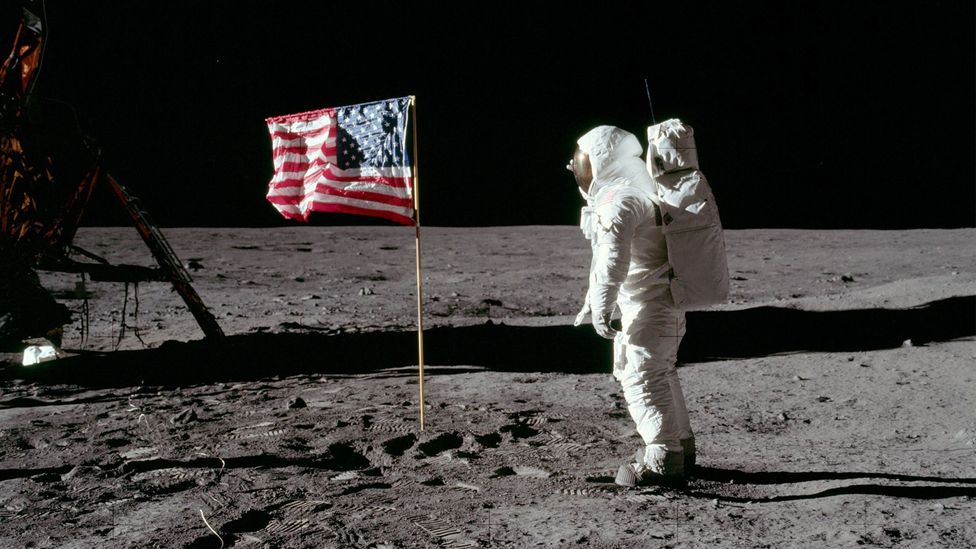
Embark on a journey through humanity's greatest adventures beyond Earth. From the first satellites to interstellar probes, explore how space missions have expanded our understanding of the cosmos and our place within it.
Embark on a journey through humanity's greatest adventures beyond Earth. From the first satellites to interstellar probes, explore how space missions have expanded our understanding of the cosmos and our place within it.
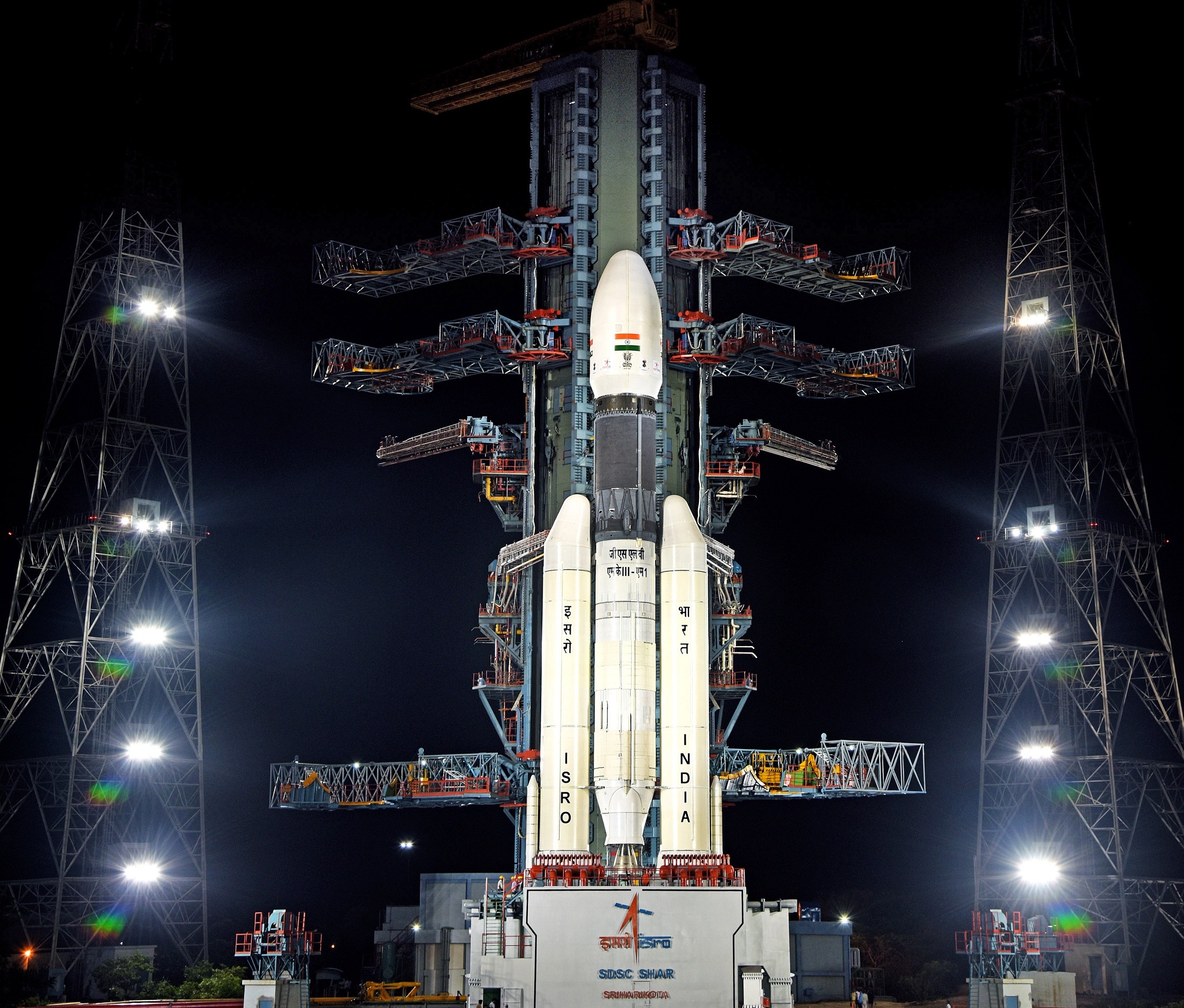
India's lunar exploration program that made significant discoveries about water molecules on the Moon.
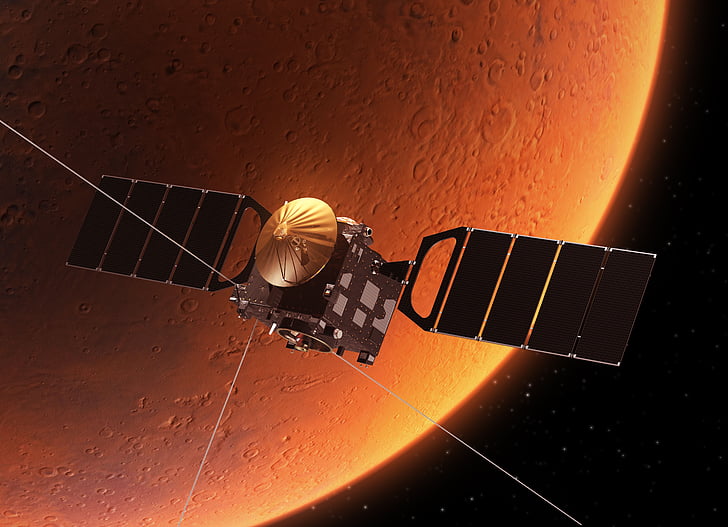
India's Mars Orbiter Mission, the first Asian spacecraft to enter Mars orbit on its first attempt.
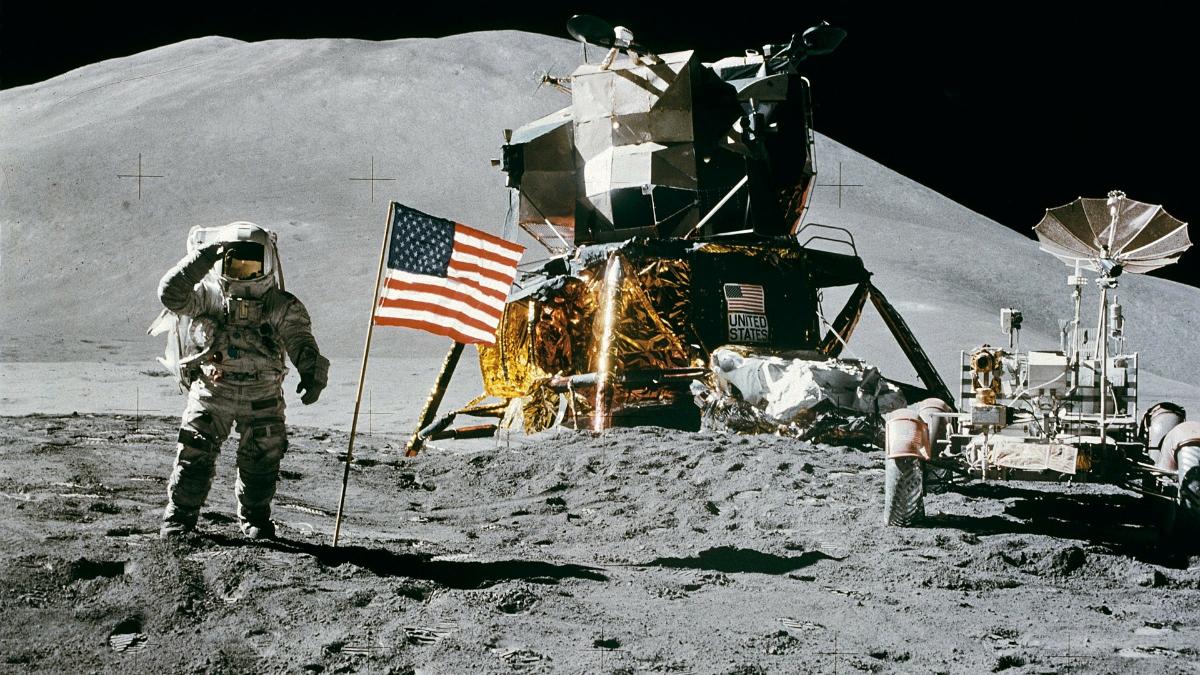
The first crewed mission to land on the Moon, with Neil Armstrong and Buzz Aldrin in 1969.
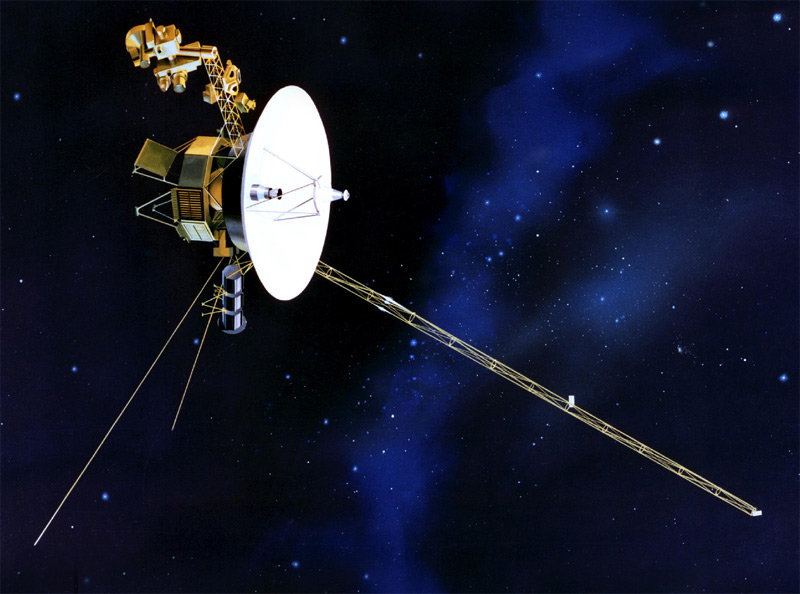
Twin spacecraft that explored the outer planets and are now in interstellar space.
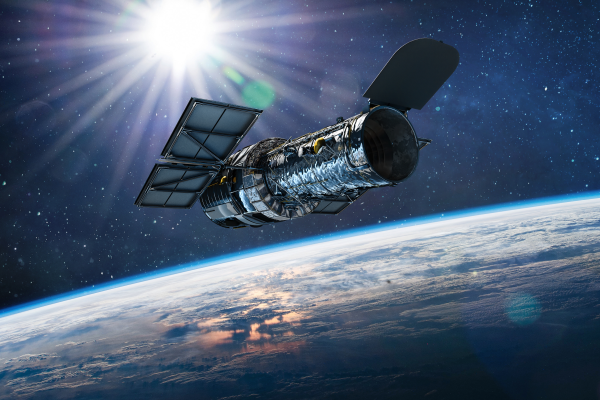
Revolutionized astronomy with breathtaking images of distant galaxies and nebulae.
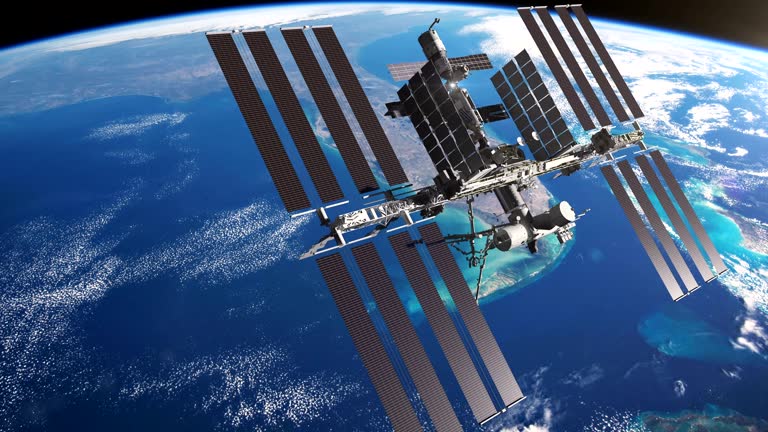
A habitable artificial satellite in low Earth orbit, a symbol of international cooperation.
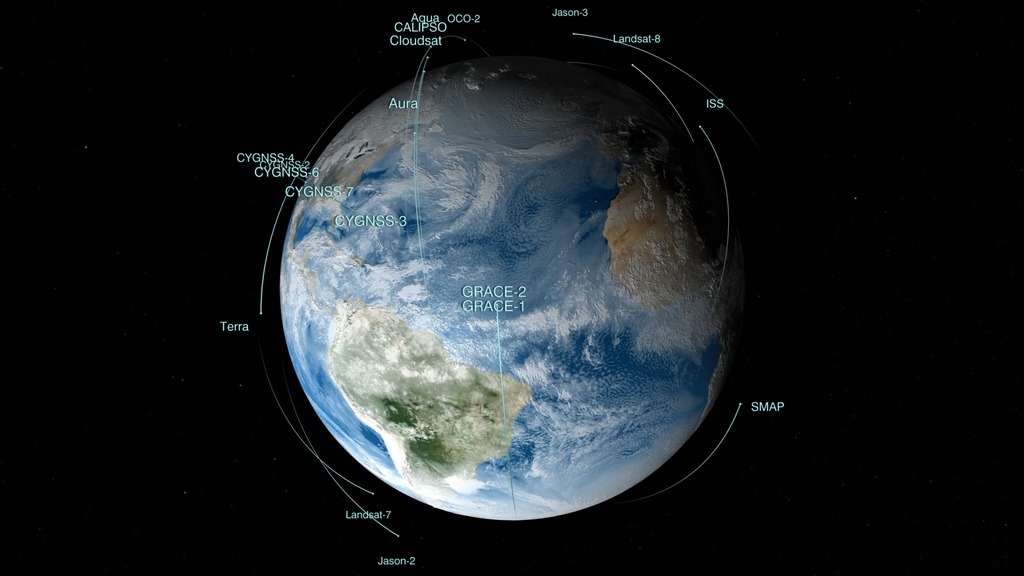
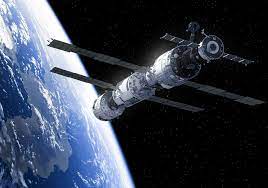
Spacecraft designed to orbit Earth or other celestial bodies for observation, communication, or research purposes.
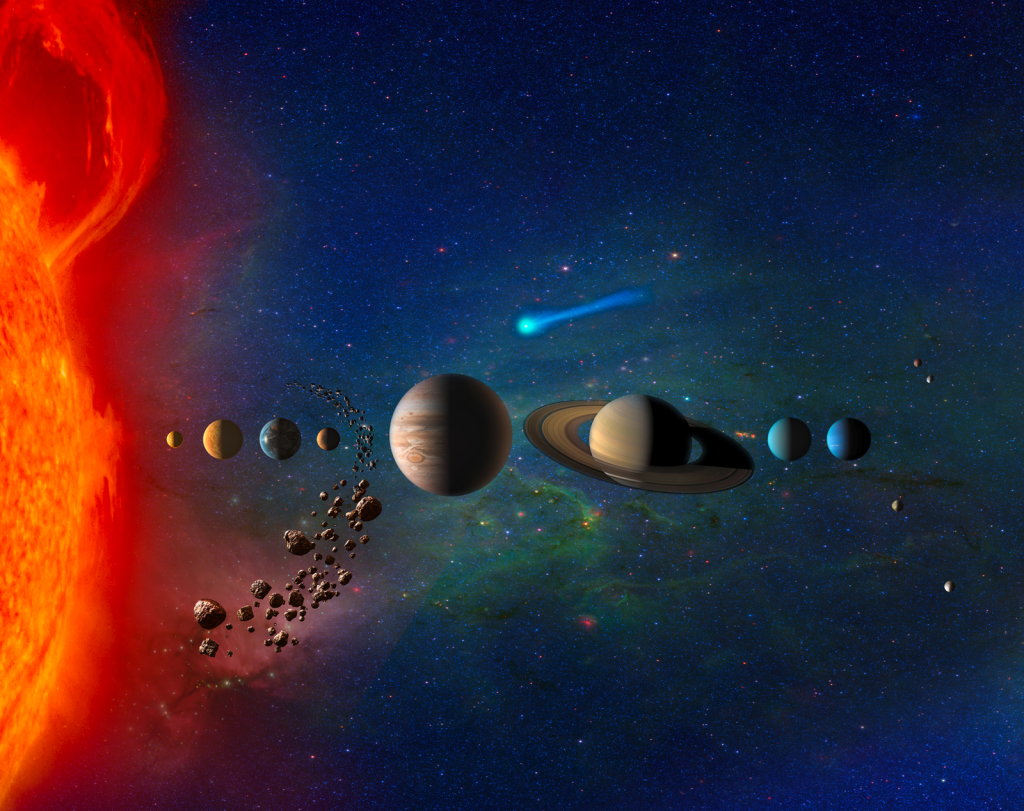
Missions focused on studying planets, moons, and other bodies within our solar system.
Voyages beyond our solar system to study interstellar space and distant cosmic phenomena.
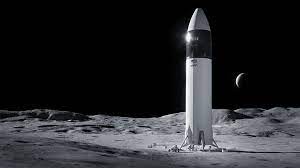
NASA's program to return humans to the Moon, including the first woman and person of color, and establish sustainable exploration.
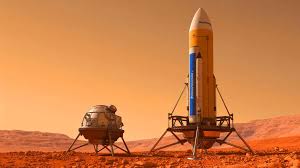
Ambitious mission to collect samples from Mars and return them to Earth for detailed analysis.
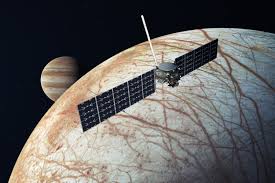
Mission to study Jupiter's moon Europa, which has a subsurface ocean that could harbor life.
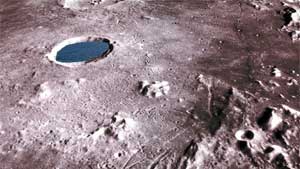
Multiple missions confirmed the presence of water ice in permanently shadowed craters at the Moon's poles.
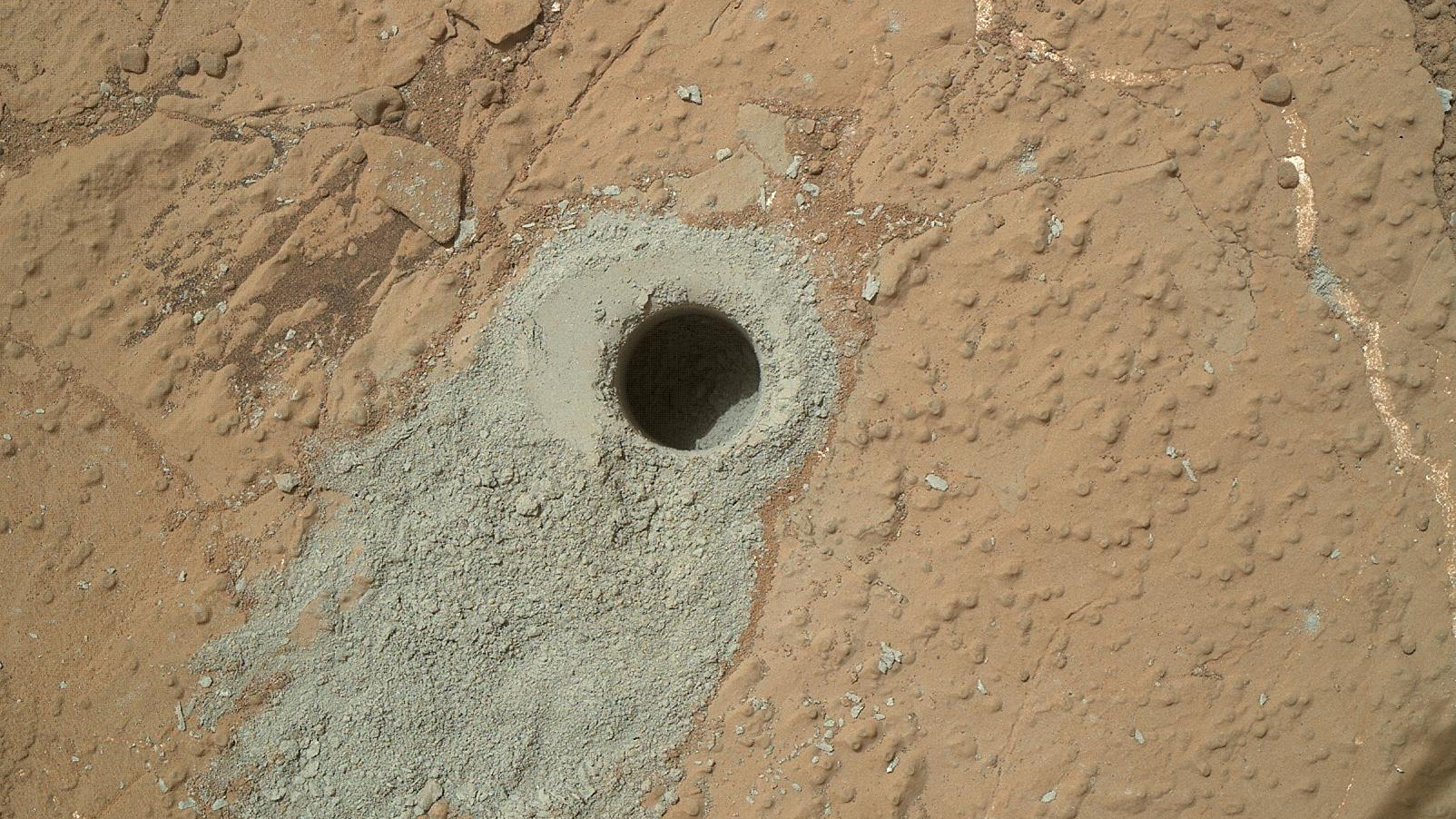
Curiosity rover detected seasonal variations of methane gas, which could indicate biological or geological activity.
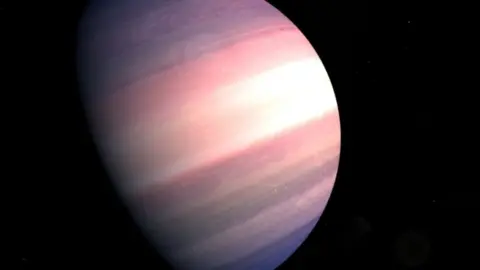
Space telescopes like Kepler and TESS have discovered thousands of planets orbiting other stars.
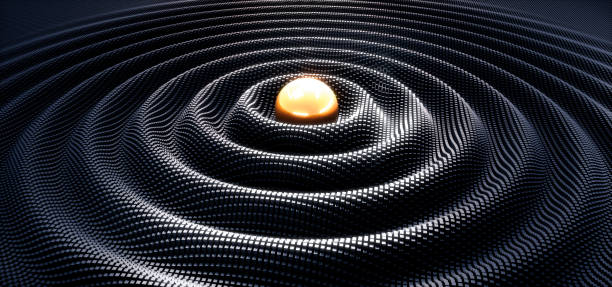
Space-based observatories are being developed to detect gravitational waves from merging supermassive black holes.