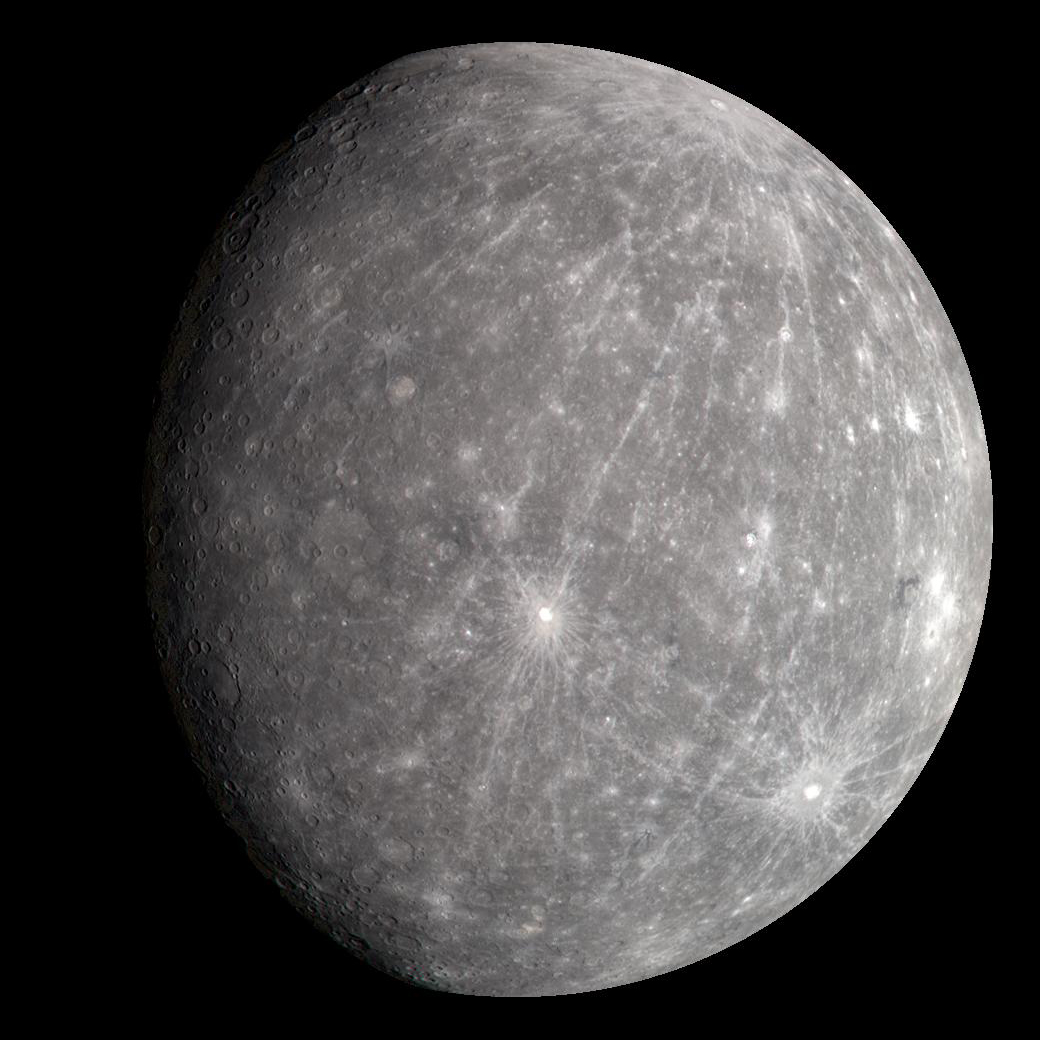
Discover the World Beyond Our Solar System

Exoplanets are planets that orbit stars outside our solar system. Since the first confirmed discovery in 1992, astronomers have identified thousands of these distant worlds using advanced detection methods and space telescopes.

These discoveries have revolutionized our understanding of planetary systems and the potential for life elsewhere in the universe.
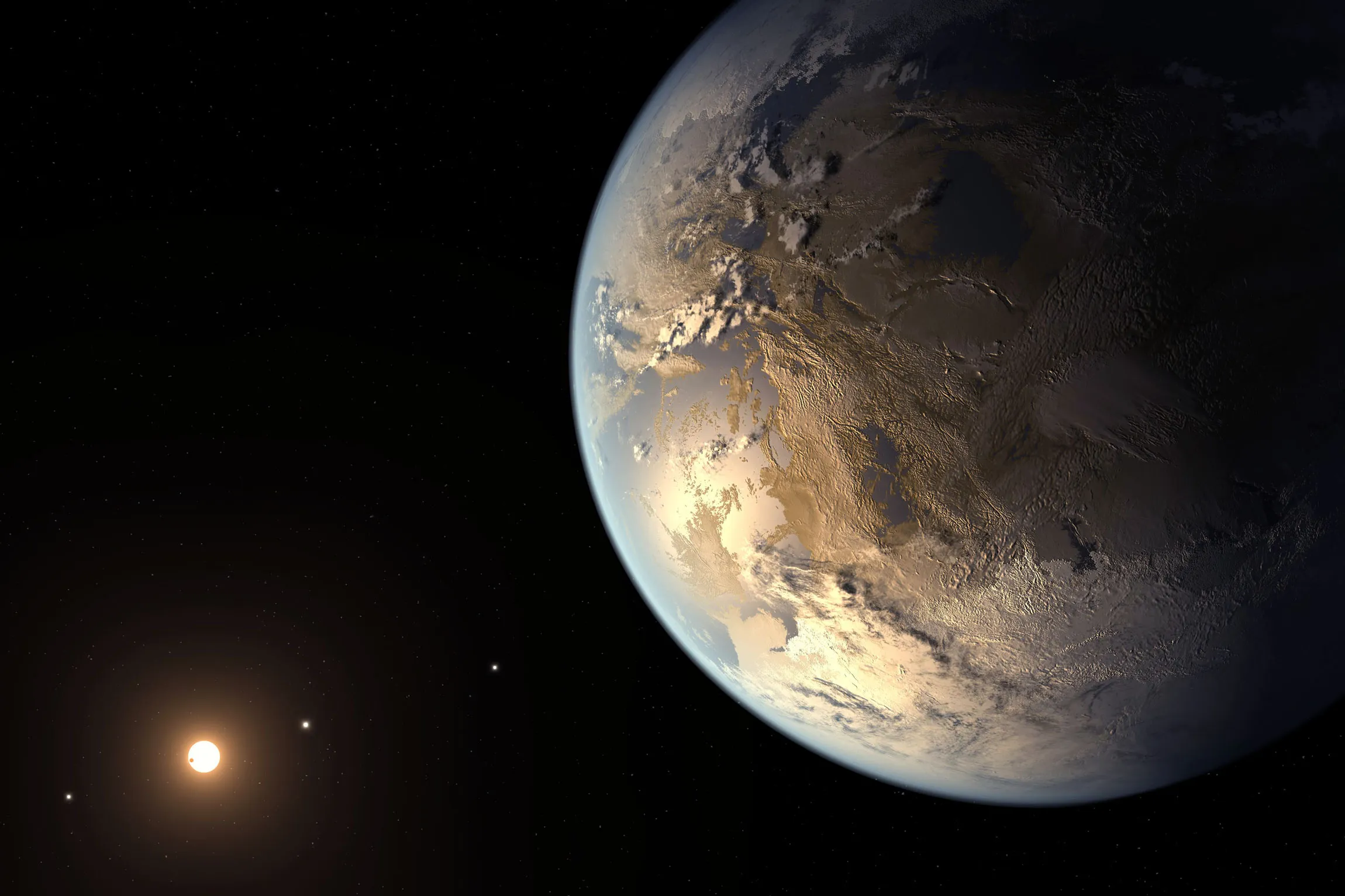
Exoplanet Visualization

How Do We Find Exoplanets?

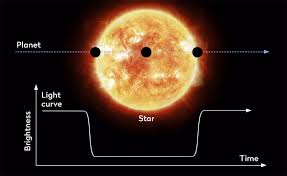
Transit Method

Transit Method

Detecting periodic dimming of a star's light as a planet passes in front of it.

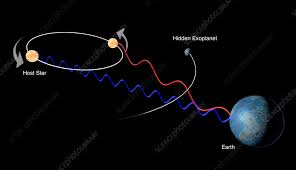
Radial Velocity

Radial Velocity

Measuring the wobble of a star caused by the gravitational pull of an orbiting planet.

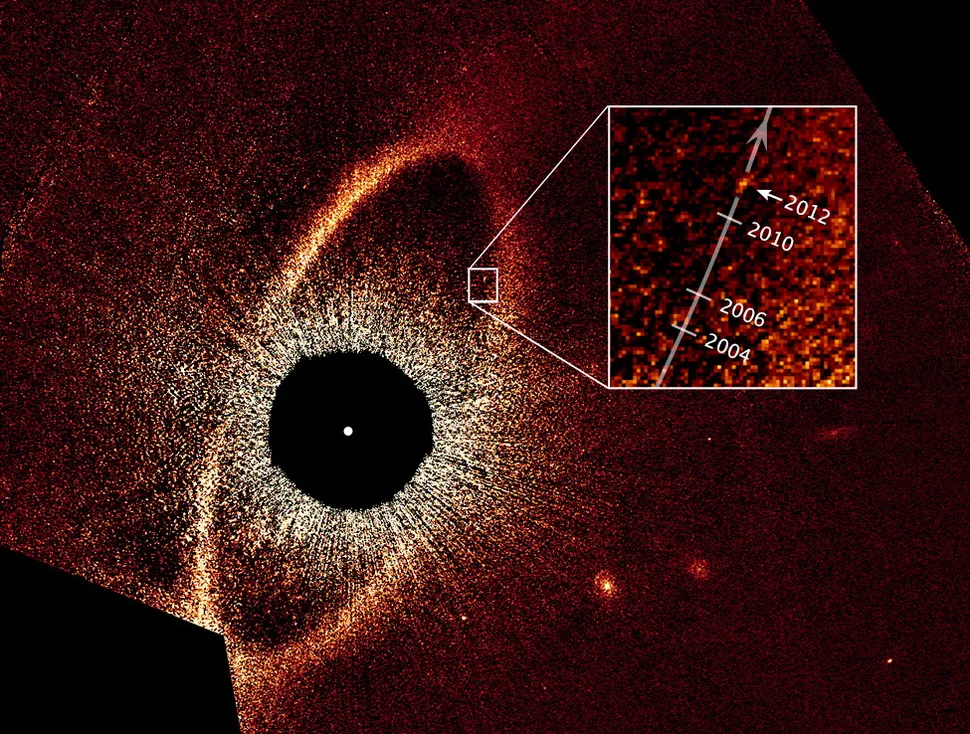
Direct Imaging

Direct Imaging

Capturing actual images of exoplanets by blocking out the bright light of their host stars.

Gravitational Microlensing

Gravitational Microlensing

Using the gravitational lens effect of a star to detect planets around it.

Famous Exoplanets Discovered

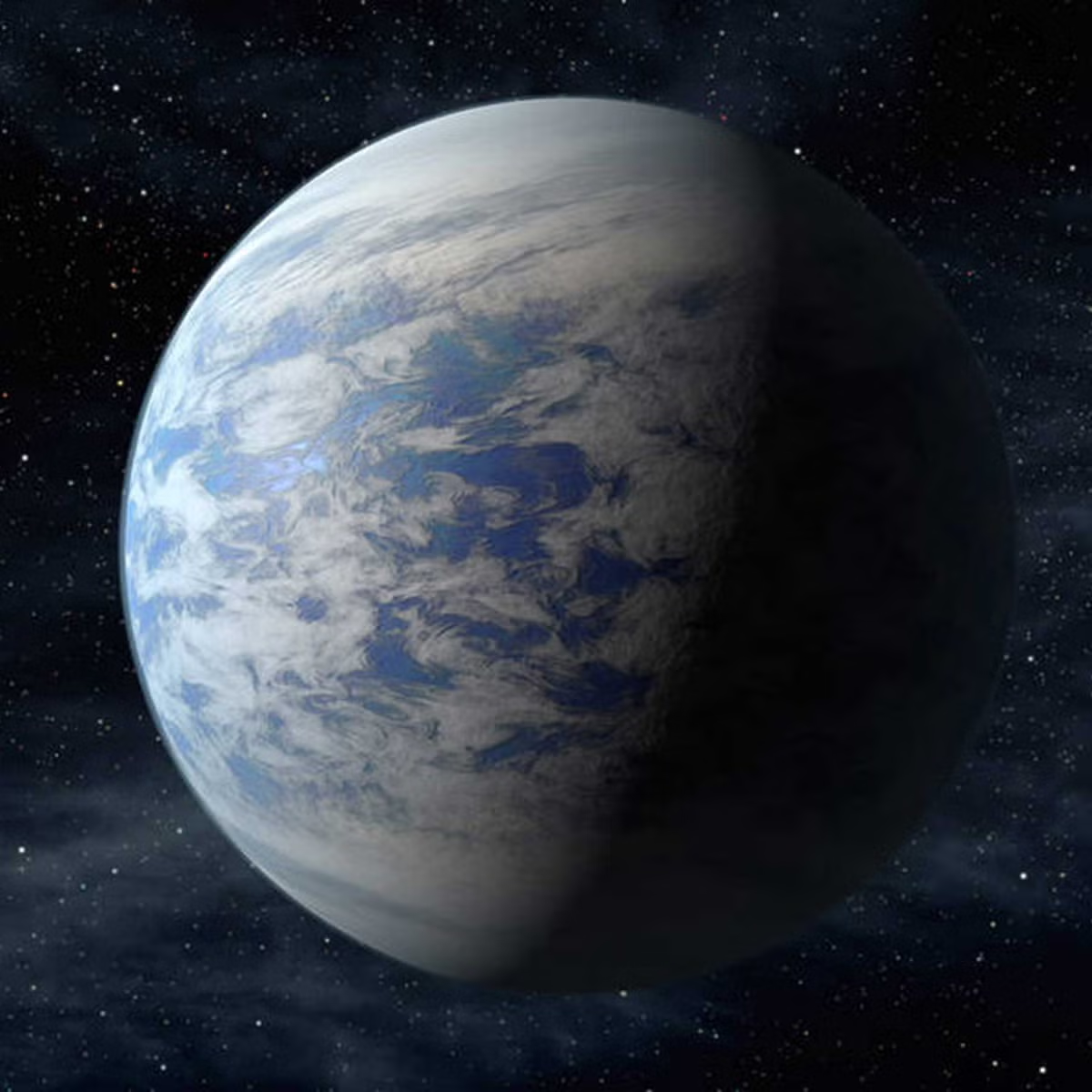
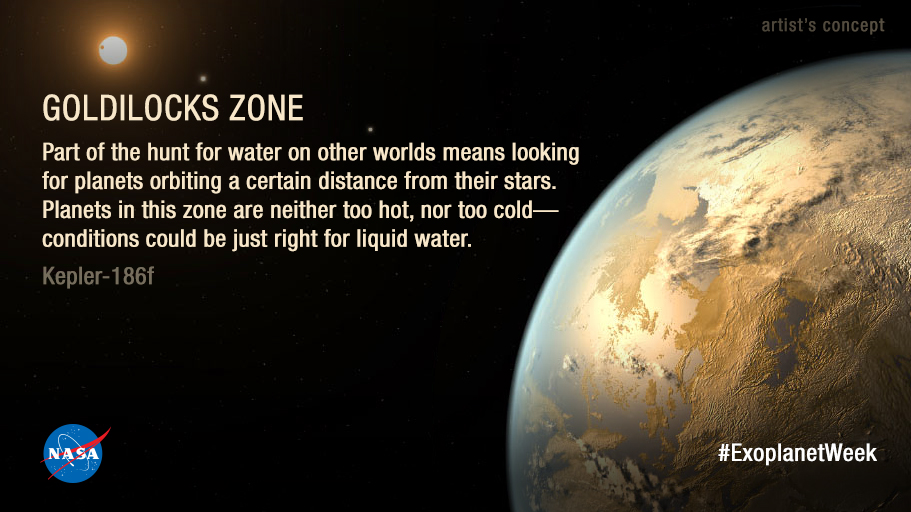
Kepler-186f

Kepler-186f

Star System: Kepler-186

Key Feature: First Earth-sized planet in habitable zone

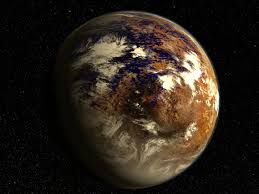
Proxima Centauri b

Proxima Centauri b

Star System: Proxima Centauri

Key Feature: Closest known exoplanet to Earth

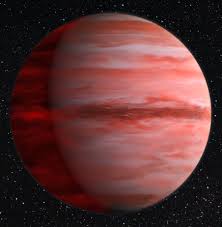
WASP-12b

WASP-12b

Star System: WASP-12

Key Feature: Hot Jupiter being consumed by its star

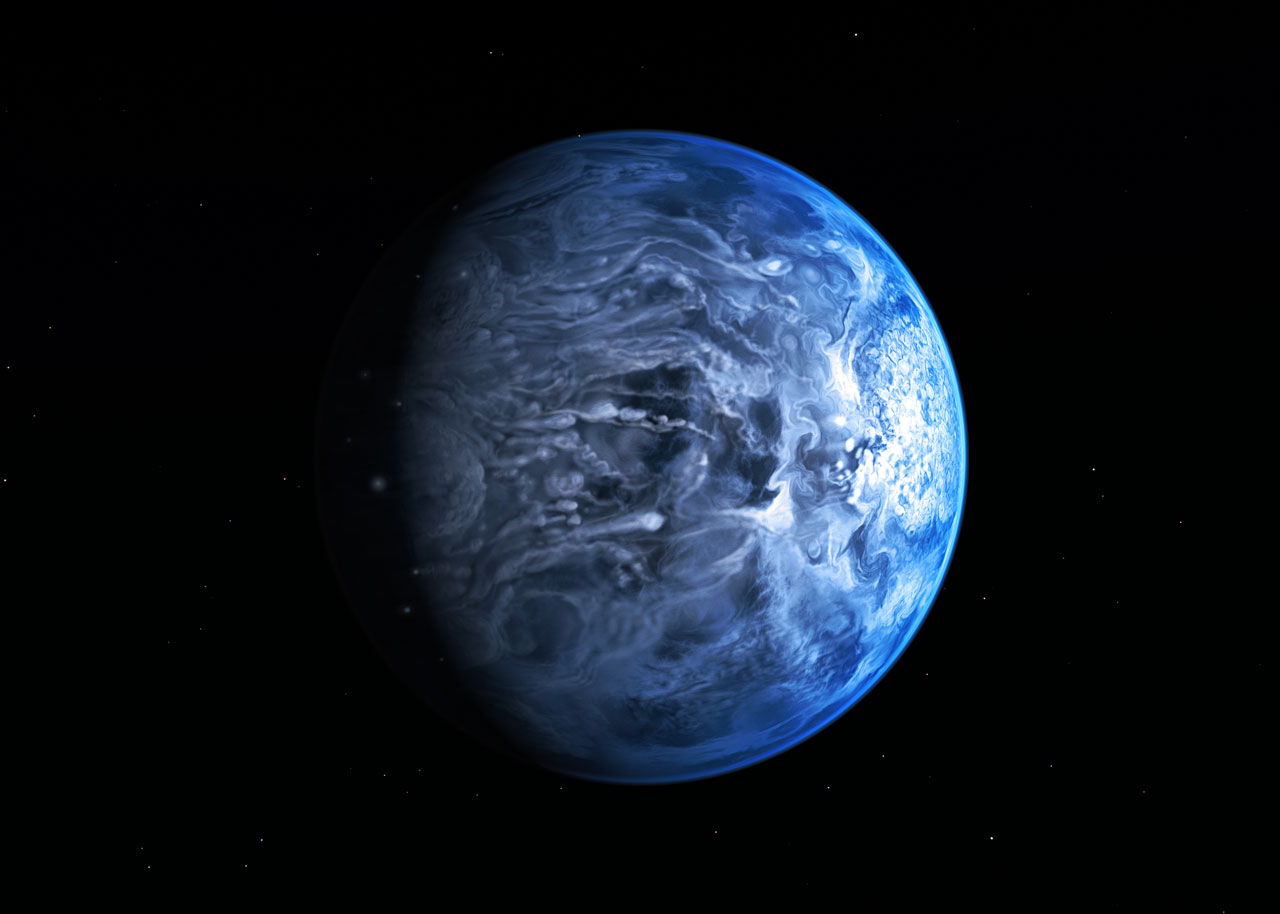
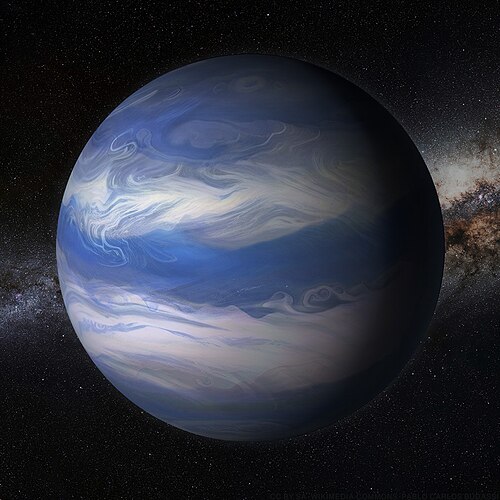
HD 189733b

HD 189733b

Star System: HD 189733

Key Feature: Deep blue gas giant with glass rain

Kepler-452b

Kepler-452b

Star System: Kepler-452

Key Feature: Earth's "cousin" in a similar orbit

The Goldilocks Zone

The habitable zone, often called the "Goldilocks Zone," is the region around a star where conditions might be just right for liquid water to exist on a planet's surface - not too hot, not too cold. This zone is crucial in the search for potentially habitable worlds, as liquid water is considered essential for life as we know it.

Habitable Zone Diagram

Types of Exoplanets

Hot Jupiters

Hot Jupiters

Gas giants that orbit very close to their stars, with extremely high surface temperatures.

Super-Earths

Super-Earths

Rocky planets larger than Earth but smaller than gas giants, potentially habitable.

Mini-Neptunes

Mini-Neptunes

Smaller versions of Neptune with thick atmospheres and no solid surface.

Terrestrial Planets

Terrestrial Planets

Rocky planets similar to Earth, Mars, Venus, and Mercury in composition.